01
The problem I saw
I could keep adding factions, maps, and story without knowing whether the first match made sense. I needed to know whether a player could choose an army, understand the goal, and act without a long tutorial.
02
What I built
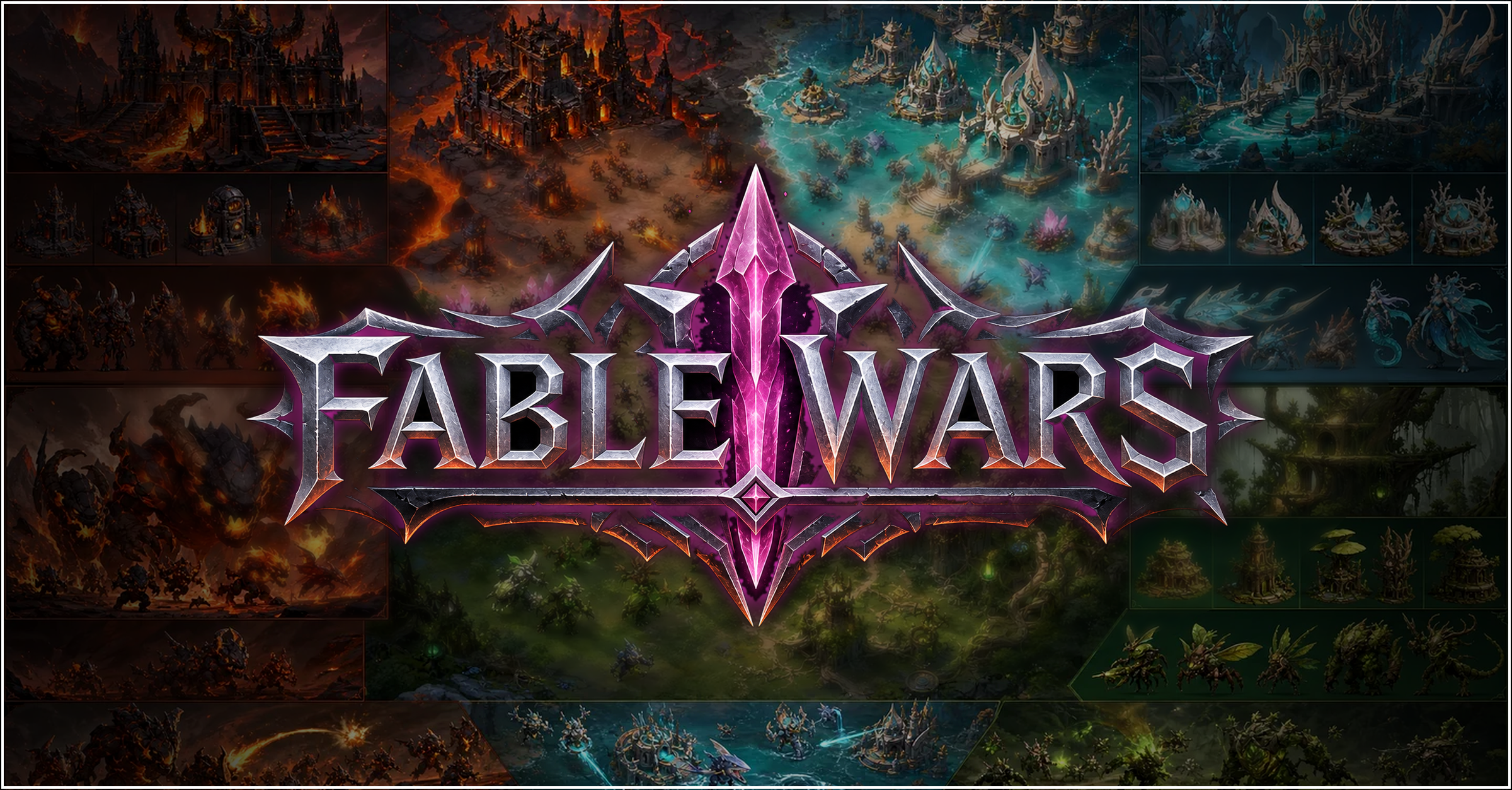
The start screen asks the player to choose Scorch Legion, Tide Dominion, or Verdant Swarm. It then offers Classic RTS or Crystal Rush. Classic RTS uses base building, crystal harvesting, and direct unit control. Crystal Rush uses battle plans, wave pushes, a central crystal, and enemy citadels. The player chooses a mode and selects Start Match in the browser.
03
What I learned
The two modes test different questions. Classic RTS tests direct control and building. Crystal Rush tests whether a shorter plan-and-wave loop is easier to enter.
PAIN POINTS
What the product addresses
- Long onboarding before gameplay
- No early evidence that tactical choices are legible
DECISIONS
Decisions that shaped it
- Put faction identity and combat style on the army selection screen.
- Offer Classic RTS and the faster Crystal Rush as separate modes.
- Keep the first public path to three actions: choose an army, choose a battle, and start.
LEFT OUT
What I deliberately did not build
- More lore before the basic match path was playable.
- An install requirement before a visitor could try the game.
MEASURES
What I would measure
- Players who reach Start Match after opening the page.
- Time from the first screen to the first useful unit or battle-plan action.
- Second matches that use another faction or battle mode.
EVIDENCE AND BOUNDARIES
What this note is based on
- Visible on fablewars.vercel.app on 21 July 2026: three faction choices, Classic RTS, Crystal Rush, Start Match, trailer, instructions, and an art codex.
- The first-party GitHub README describes the two modes, crystal economy, direct controls, wave plans, and deterministic headless checks. I did not complete a full match or review player analytics.
RELATED WORK